

Posted by: Caster Eye Center in lasik
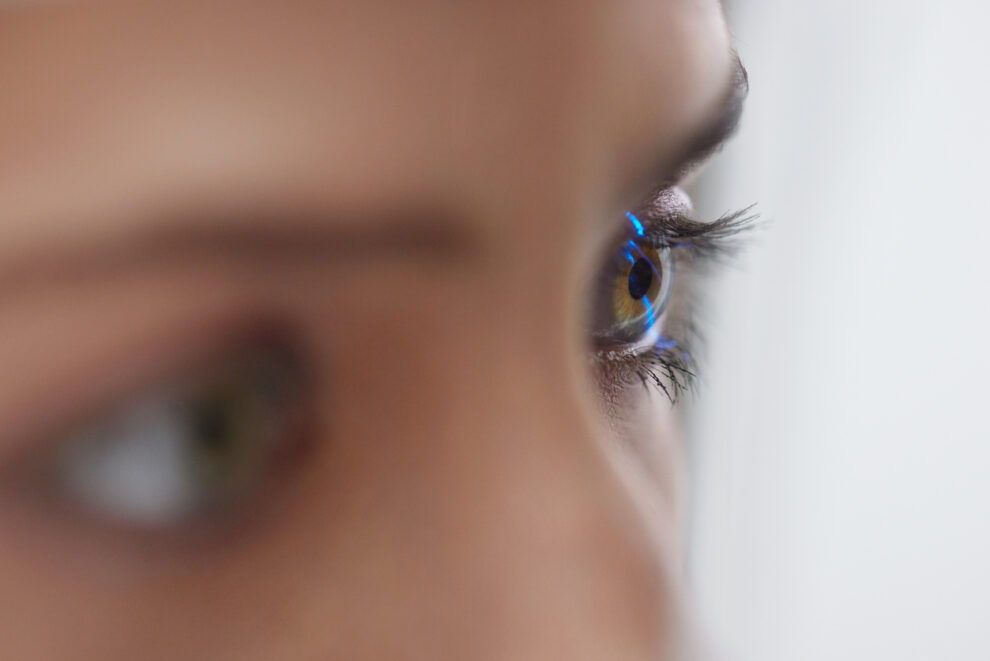
LASIK has quickly become the go-to option for countless patients worldwide wanting to reduce or eliminate their dependence on glasses and contact lenses. This life-changing procedure is a great choice for many individuals seeking improved vision, but it’s essential to be aware of some potential LASIK complications. Consulting with an experienced laser eye surgeon is your greatest asset for getting the most out of your procedure and avoiding potential complications. They can evaluate your risk factors and determine whether LASIK is a good fit for your lifestyle and expectations.
Success Rates and Satisfaction
The studies are positive and consistently indicate that 95-98% of LASIK patients are happy with their results. The vast majority report 20/20 vision or better, with serious complications remaining statistically rare. It is reassuring that success rates are as high as they are, but it is still essential to understand that complications do occur and should be considered before proceeding with your procedure.
Temporary Side Effects
While serious complications remain rare, there are some temporary side effects that almost all patients experience during the healing process. These aren’t considered to be true complications but rather normal responses to corneal reshaping. Symptoms such as dry eyes, light sensitivity, halos, glare, and fluctuating vision are common during the first few weeks to months after your procedure.
Less Common Complications
Some patients experience complications that require additional intervention, but it is unique. In 5-10% of cases, individuals experience undercorrection or overcorrection. This is when the laser removes too much or too little tissue, leaving residual refractive errors. Often occurring in those with higher initial prescriptions, regression can occur, requiring enhancement surgery for correction.
In an estimated 0.5-1% of cases, patients experience flap-related complications, including displacement, wrinkles, or incomplete flaps. These issues are usually quickly addressed by a skilled surgeon to avoid long-term impact. Infection rates remain minuscule but should still be mentioned. Thanks to sterile surgical environments and antibiotic protocols, infections are rare.
Rare but Serious Complications
The most feared complications thankfully occur the least frequently. Progressive bulging and thinning of the cornea is rare but can occur. A screening before your procedure can identify corneas at greater risk of complications. A small percentage of patients experience chronic dry eye that persists for longer than 12 months. Sporadic chronic pain syndrome is a risk and requires specialized management. Your specialist will discuss your risks and potential complications with you before scheduling your surgery.
Influencing Factors
Not every patient carries the same risk. There are relevant factors that can increase the likelihood of complications. Patients with thin corneas have less tissue available for reshaping. Exceptionally high prescriptions require more tissue removal and less room for error. Patients with a pre-existing dry eye condition often experience worsened symptoms following treatment. A pre-operative evaluation can help identify your risks before they become complications.
Minimizing Your Risk
The greatest weapon in your pursuit to reduce the risk of complications is consulting with an experienced, board-certified surgeon with a strong record of success. Follow all instructions from your surgeon and care team closely, and avoid wearing contact lenses as directed. Use the prescribed drops as directed and avoid rubbing your eyes. Keep follow-up appointments to ensure that any complications that do arise can be addressed promptly and effectively.
Schedule a consultation with our experienced LASIK team today to determine if you are a good candidate!
 Schedule your FREE Consultation