

Posted by: Caster Eye Center in lasik
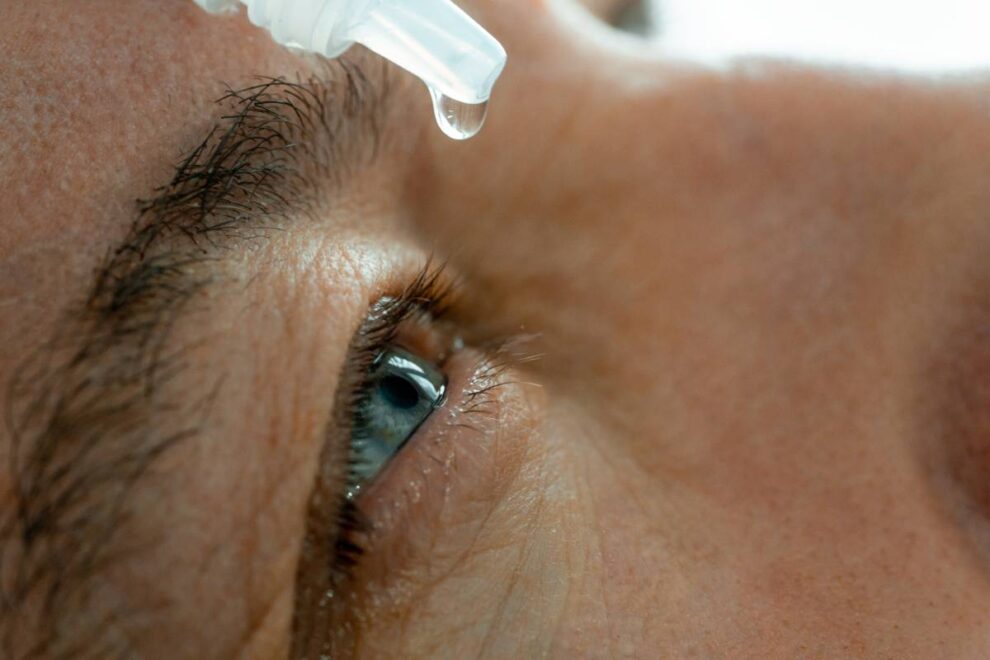
Many people considering LASIK for vision correction search for any long-term consequences before deciding to go ahead with the procedure. This is good; it means you care about the long-term health of your eyes and aren’t just seeking the almost instant gratification that comes with LASIK. Your laser eye surgeon will discuss all the immediate risks with you during your initial consultation. However, you may still wonder whether LASIK side effects can manifest later in life. This is a valid question that deserves special consideration before making your decision.
What Is LASIK?
LASIK is a popular surgical procedure used to correct refractive errors leading to vision impairment. A thin flap is created in your cornea’s outer layer using a specialized blade or laser. Once this flap of skin is secured out of the way, your surgeon goes in with a specialized laser to remove microscopic amounts of corneal tissue to reshape the curvature. The reshaping allows light to enter and refract properly, correcting common problems such as nearsightedness, farsightedness, and astigmatism. Your surgeon then replaces and reattaches without the need for sutures.
Immediate Post-Op Complications
Immediate complications following your LASIK surgery usually resolve within weeks or months. The most frequently reported issue related to LASIK is dry eye syndrome due to the temporary damage sustained by your nerves when your corneal flap was created. Your doctor may recommend over-the-counter artificial tears or prescribe medications to address discomfort. Some patients report visual disturbances that often affect night vision but improve during the first three months. A small percentage experience cell migration beneath the corneal flap. This may require more invasive correction procedures. Though rare, there is the risk of inflammation and infection. This can usually be treated with appropriate antibiotics, but it can lead to serious complications requiring immediate medical attention.
Long-Term Changes
Vision changes can occur following LASIK even years after your initial procedure. Over time, regression occurs when the cornea begins returning to its original shape, creating refractive errors that may require enhancement procedures or corrective lenses. Some patients experience chronic dry eyes that never go away and significantly affect vision quality and comfort. A serious complication is the progressive thinning and bulging of your cornea. This happens when insufficient tissue remains following laser removal. More intense treatment may be necessary for this condition. Additionally, because your corneal flap never fully reintegrates into your eye, even decades after your procedure, you are at risk of dislocation if you sustain any eye trauma.
Risk Factors for Delayed Complications
Your care team will provide any necessary information regarding risk factors, and their instructions should always be followed to reduce these risks. Risk factors related to delayed complications:
- Pre-existing conditions
- Age and time of surgery
- Surgical technique
- Hormone fluctuation
- Environmental exposures
Risk vs Reward
The potential for delayed vision problems following LASIK surgery is real and should be carefully considered when making any treatment decisions. Most patients are indeed happy with the long-term vision correction they achieve, but the possibility of complications later in life should not be overlooked. Better vision comes with LASIK, but so do irreversible changes to your eye structure, with the potential for complications that can last a lifetime. Weighing the risk versus the reward can cause some nerves. Open communication with your care team will help you learn everything you need to know and answer any concerns you may have, giving you peace of mind to ease any anxiety.
CTA: Considering LASIK but have concerns about long-term repercussions? Schedule a consult with us today!
Reference:
Mayo Clinic. (2025). LASIK eye surgery.
 Schedule your FREE Consultation